
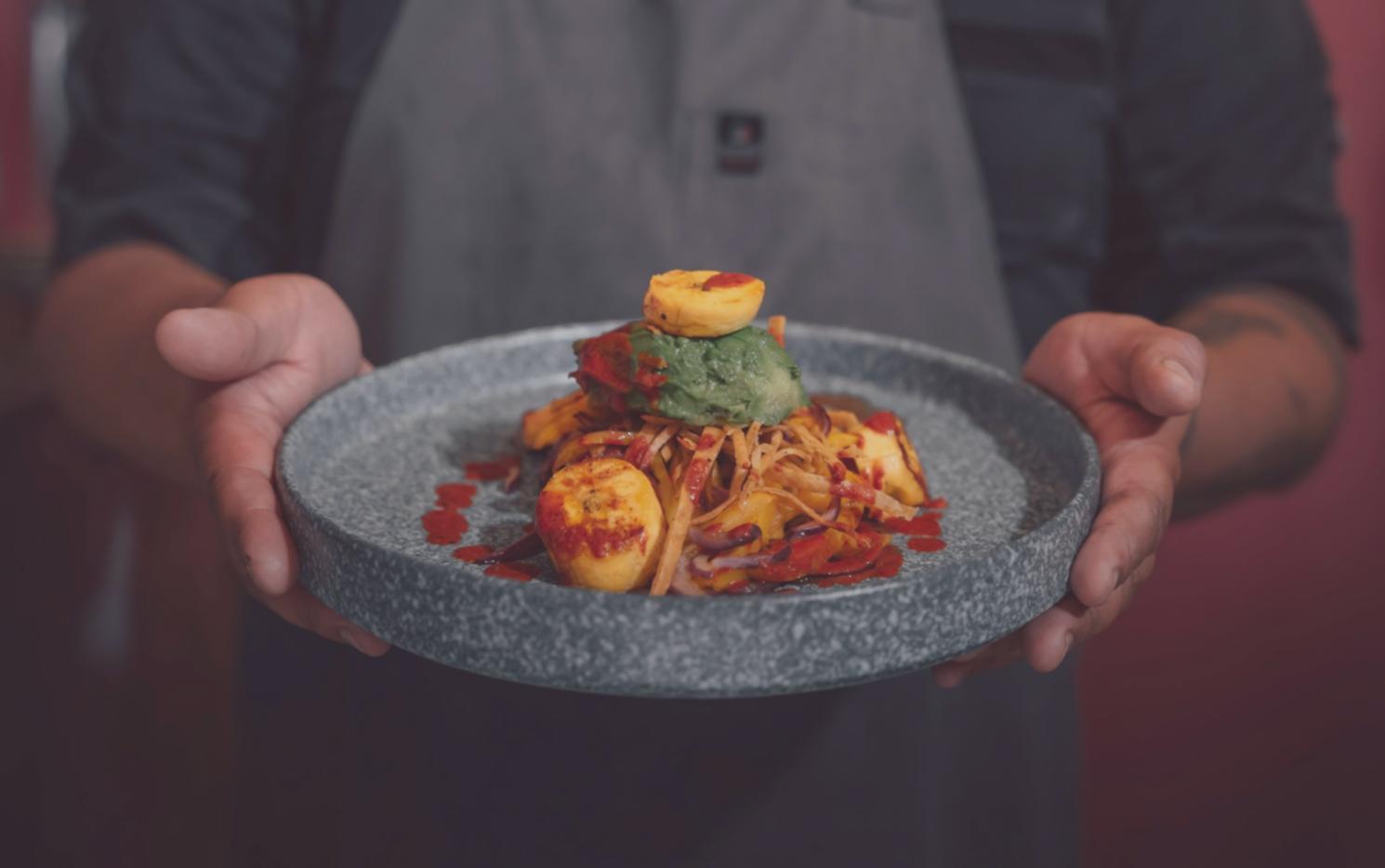
Where cooking becomes something you actually understand not just follow
What we're trying to do here
Since 2019, we've been working on something straightforward: helping people learn cooking techniques that work across different cuisines. Not flashy presentations or theatrical plating, but the actual mechanics of how heat, timing, and ingredient preparation create specific results.
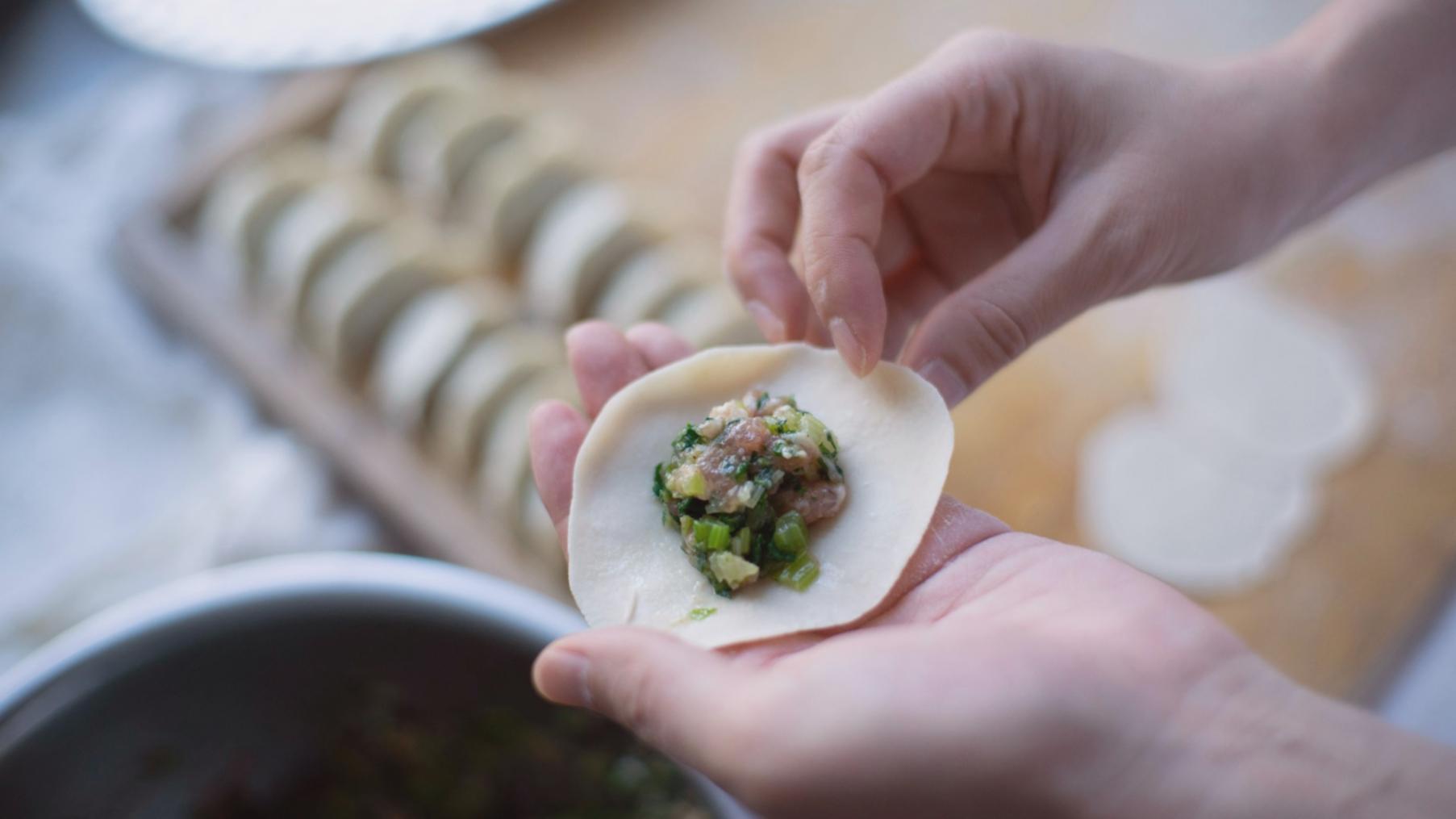
The courses here focus on international cuisine because it forces you to understand fundamentals. You can't fake your way through making proper dumplings or getting the right texture in risotto. These dishes require technique, and technique is what transfers between recipes.
Our instructors have spent years working in professional kitchens across different countries. They know what actually matters when you're trying to replicate a dish at home versus what sounds impressive but doesn't affect the outcome. That experience shows up in how lessons are structured: focused on the steps that create noticeable differences, not exhaustive details that won't change your results.
How this started
We didn't set out to build a platform. We started with a question about why so many people could follow recipes perfectly but still struggled to make dishes work consistently.
First conversations
A group of chefs from different backgrounds started comparing notes on what home cooks most frequently got wrong. The pattern was clear: people were missing foundational techniques, not following bad recipes.
Testing formats
We recorded demonstrations focusing purely on technique explanation. No music, no quick cuts, just thorough walkthroughs of processes like emulsification, proper searing, and dough hydration. Response was immediate.
International expansion
Added instructors from Southeast Asia, the Mediterranean, and Eastern Europe. Each brought methods specific to their cuisine that illuminated broader cooking principles.
Building structure
Organized content into progressive skill tracks. Students could move from basic knife skills through complex multi-component dishes, with each lesson building actual capability rather than just recipe knowledge.
How the courses actually work
Technique before recipes
Every course breaks down the physical processes happening during cooking. Once you understand why searing creates a crust or how gluten development affects texture, you can apply that knowledge across hundreds of dishes.
Progressive skill building
Courses are sequenced so each new technique builds on previous ones. You're not jumping between random recipes, you're developing a systematic understanding of how different cooking methods interact.
Common failure points
Instructors specifically address where things typically go wrong. Not in a motivational way, but practically: here's what happens if your pan isn't hot enough, here's how to tell if your dough is overworked.
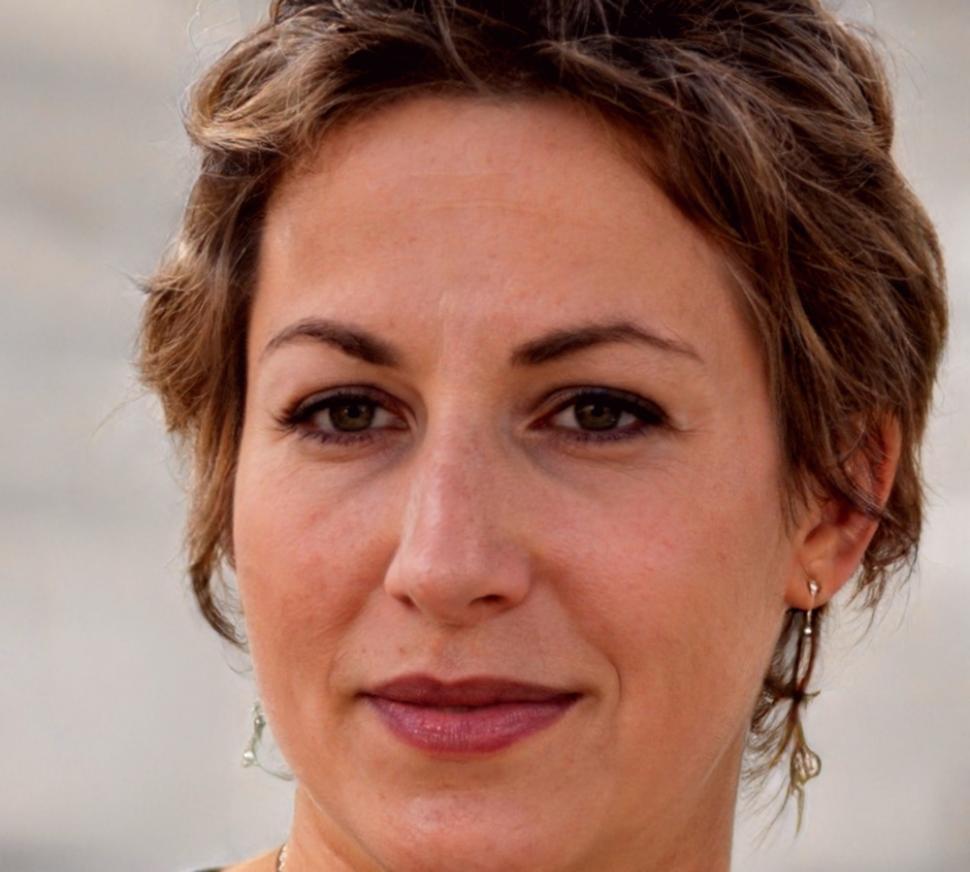
Vesna Tkalčec
Vesna spent twelve years working in coastal restaurants along the Adriatic before moving into culinary education. Her courses focus on Mediterranean techniques: building flavor bases, working with fresh seafood, and understanding how olive oil behaves at different temperatures.
What makes her instruction valuable is specificity. She doesn't talk about recipes in abstract terms. She explains exactly how long to cook aromatics for different dishes, why certain fish require different heat levels, and how to adjust seasoning based on ingredient quality. Students leave her courses understanding not just what to do, but why those specific steps produce consistent results.